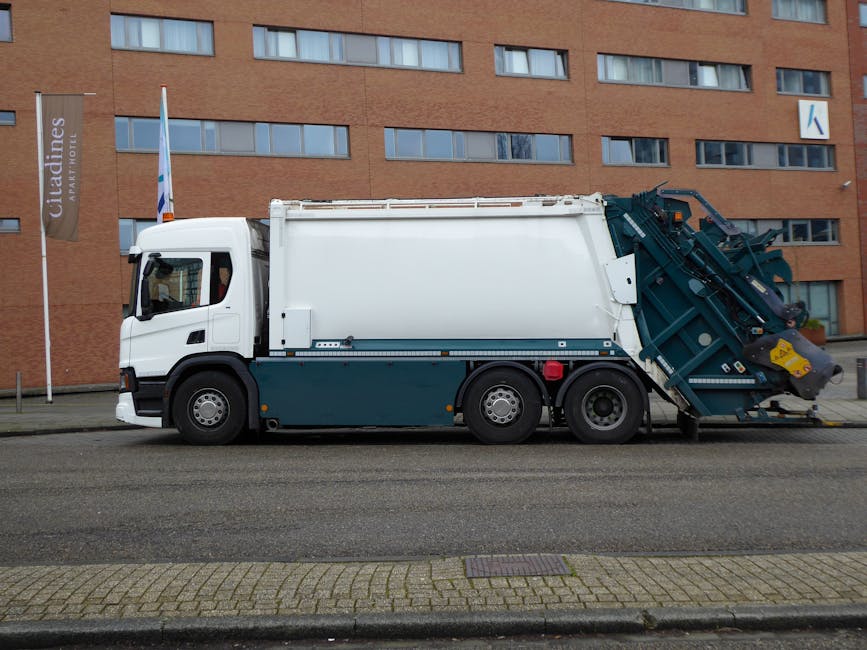
Do I Need a Permit for Roadside Waste Pickup in E1?
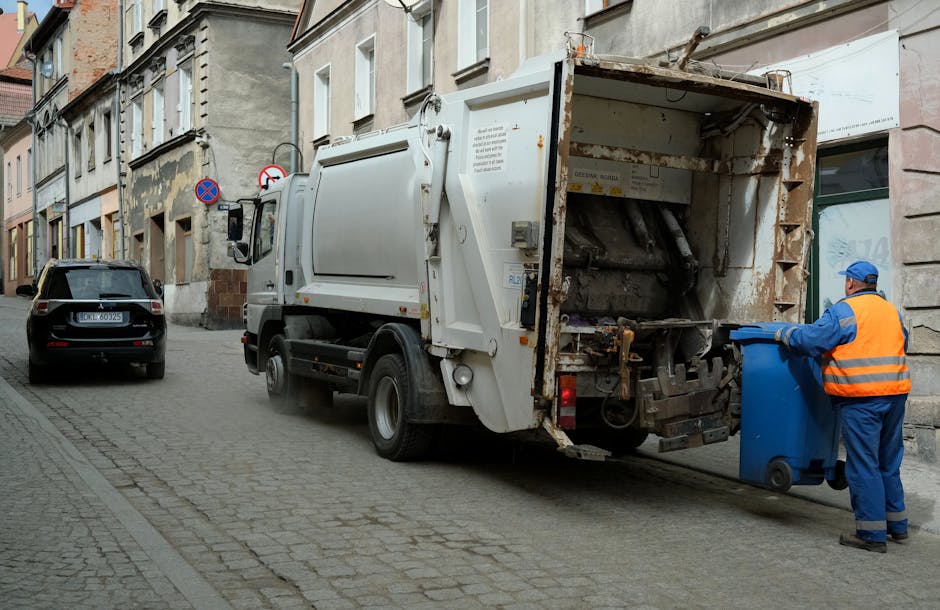
If you are staring at a pile of waste on the pavement and wondering, Do I Need a Permit for Roadside Waste Pickup in E1?, you are not alone. It is one of those questions that sounds simple until you start thinking about loading bays, yellow lines, council rules, blocked walkways, and whether the collection van can stop safely for long enough to get the job done.
In plain English, the answer depends on where the vehicle stops, how long it stops, and what type of waste is being collected. Some roadside pickups can be arranged without any special permission, while others may need a parking suspension, dispensation, or another form of local authority approval. Truth be told, the details matter a lot more than most people expect.
This guide breaks it all down clearly. You will learn when a permit may be required, how roadside waste pickup usually works in E1, what mistakes to avoid, and how to plan a smooth collection without unnecessary delays. It is practical, local, and written for people who simply want the job sorted properly.
- Why this question matters in E1
- How roadside waste pickup works
- Benefits of getting it right
- Who needs this service
- Step-by-step guidance
- Expert tips
- Common mistakes to avoid
- Tools and useful recommendations
- Law, compliance and best practice
- Options and comparison table
- Real-world example
- Practical checklist
- Conclusion
- Frequently asked questions
Why Do I Need a Permit for Roadside Waste Pickup in E1? Matters
Roadside collections in E1 can look straightforward from the pavement. A few bags, a sofa, a broken wardrobe, maybe some builder's rubble, and done. But on the ground, it is a bit more complicated. Streets in E1 are busy, parking can be tight, and stopping a vehicle even for a short time can create problems if the location is restricted.
The permit question matters because roadside pickup often intersects with parking control. If a collection vehicle parks in a controlled bay, on double yellow lines, in a loading area, or in a place with access restrictions, permission may be needed. Without it, the collection can be delayed or the vehicle may be at risk of a ticket. Nobody wants that. Especially not when you have already lifted half the flat clearance contents downstairs and the clock is ticking.
It also matters for safety. Waste left on the kerb or pavement can obstruct pedestrians, wheelchair users, parents with buggies, and nearby residents. In a dense area like E1, a tidy and compliant setup is not just about avoiding fines. It is about keeping things moving and respecting the street outside your property.
Key point: a permit is not always needed for roadside waste pickup in E1, but it may be required if the collection vehicle needs to stop in a restricted or controlled location.
If you are arranging something larger than a quick bag pickup, it is worth thinking ahead. This is especially true for bulky furniture removal, house clearance, office clearance, or builders waste clearance, where loading time and vehicle access can make all the difference.
How Do I Need a Permit for Roadside Waste Pickup in E1? Works
The short version is this: the need for a permit depends on the exact stopping point and local parking rules. In many London streets, a vehicle cannot simply pull up wherever it likes and start loading. If the pickup vehicle can legally stop without causing a parking contravention, a permit may not be needed. If it cannot, some form of permission may be required.
There are usually a few possible scenarios:
- No permit needed: the vehicle can stop in an unrestricted place for loading, with no parking rule being broken.
- Parking suspension or dispensation needed: the vehicle needs to stop in a controlled bay or restricted area for loading.
- Alternative arrangement needed: the waste can be moved to a legal loading point or collected from private property instead of the roadside.
That is the framework. The actual decision often comes down to practical details: the street layout, the time of day, how long the loading will take, and whether the collection vehicle can remain safe and legal while waste is transferred. If there are shared entrances, resident permits, or pay-and-display bays nearby, the situation can get a little fiddly. Not impossible, just fiddly.
In many cases, the cleaner the access plan, the less likely you are to run into permit issues. A well-organised roadside pickup might involve placing items out only when the vehicle is arriving, keeping the loading point clear, and choosing a time that avoids peak traffic. Simple enough on paper. In practice, it saves a lot of back-and-forth.
For larger jobs, it is often easier to pair roadside collection with a broader service such as waste removal, or with a property-specific clearance service like house clearance, home clearance, or office clearance. That way, the logistics are managed as part of the job rather than becoming a separate headache.
Key Benefits and Practical Advantages
Getting the permit question right is not just about compliance. It also makes the whole collection smoother, faster, and less stressful. And honestly, when waste is already cluttering a hallway or pavement, you do not need extra stress.
- Fewer delays: the vehicle can stop where it needs to, so loading begins on time.
- Lower risk of penalties: avoiding parking contraventions helps protect the job from avoidable costs.
- Better safety: safe stopping points reduce risk to pedestrians and workers.
- Cleaner streets: waste is moved quickly instead of lingering on the kerb.
- More predictable pricing: if access is clear, quotes are usually easier to keep accurate.
There is another benefit people sometimes miss: a properly planned roadside pickup can be less disruptive to neighbours. Nobody enjoys a van sitting awkwardly across the street while someone wrestles with an old wardrobe. If you have ever heard the scrape of furniture being turned sideways at 8:15 in the morning, you will know exactly what I mean.
It also helps when you are comparing different types of clearance. For example, a simple furniture disposal job may require less access planning than a full garage clearance or loft clearance, where waste often needs more handling and more time at the vehicle.
Who This Is For and When It Makes Sense
Roadside waste pickup in E1 is useful for a wide mix of people. It is not just for large property clearances. In fact, some of the most common users are small households, landlords, shop owners, and offices that need an awkward pile removed without a full skip sitting outside for days.
You are probably in the right place if you are:
- clearing bulky household items from a flat or maisonette
- disposing of a broken sofa, mattress, wardrobe, or table
- removing garden waste from a home near the street
- sorting builders rubble or renovation debris
- emptying an office, storage area, or back room
- trying to avoid the hassle of a skip permit where possible
It is also relevant if your waste cannot be collected from inside the property. Some streets in E1 have narrow entrances, upper-floor flats, limited lift access, or awkward stairwells. When that happens, roadside pickup can be the more practical option. A provider experienced in flat clearance or furniture clearance will usually know how to plan for this without drama.
When does it make less sense? If the waste can be carried from the property directly to a lawful private loading area, or if the collection is tiny and fully off-street, permit issues may be minimal. But for most urban roadside jobs, it pays to check before moving anything heavy. Once the items are outside, the clock starts running whether you are ready or not.
Step-by-Step Guidance
If you want the smoothest possible roadside waste pickup in E1, follow a simple process. This is where good planning saves you from the usual last-minute scramble.
- Identify the exact pickup point. Is it on a red route, yellow line, loading bay, private forecourt, or unrestricted stretch of road? The stopping point matters more than people think.
- Estimate how long loading will take. A couple of bags is one thing. A set of kitchen units or several bulky items is another. Be realistic.
- Check whether the vehicle can stop legally. If the van would need to pause in a controlled area, permission may be needed.
- Decide whether the waste should be placed outside first. Sometimes it is better to keep items inside until the vehicle arrives, especially if the street is busy.
- Separate anything hazardous or restricted. Paint, chemicals, asbestos, gas cylinders, and some electrical items can need special handling. Do not leave them mixed in with general waste.
- Confirm the collection plan in writing. A short message or booking note avoids confusion later.
- Prepare clear access. Keep hallways, gates, and entrance routes open so the crew can work efficiently.
That last point sounds obvious, but it gets overlooked all the time. A minute spent moving a bike, bin, or parked scooter can save ten minutes of awkward lifting and head-scratching. Small thing, big difference.
If your waste is part of a larger job, such as builders waste clearance after a refurb or garden clearance after a tidy-up, it is especially helpful to list the waste types beforehand. Mixed loads can affect both access planning and disposal arrangements.
Expert Tips for Better Results
Over the years, the jobs that run smoothly are usually the ones with the simplest setup. A few small habits make roadside collection in E1 much easier.
- Book for quieter times where possible. Early morning or mid-morning collections can be easier than peak commuter hours.
- Take photos of the waste and access point. This helps avoid surprises on the day.
- Measure bulky items roughly. A sofa that looks manageable in a room can be a nuisance at the kerb.
- Keep the pile neat. Tidy stacking speeds up loading and reduces the chance of damaged items scattering.
- Ask about permit handling early. If permission is needed, you want to know before the items are all on the pavement.
Another useful tip: think about the weather. A wet Thursday in E1 changes the mood of a job completely. Cardboard softens, surfaces get slippery, and everyone slows down a bit. Not a disaster, just one of those real-life details that never show up in planning notes.
If you are arranging repeated collections for a company, business waste removal can be a more efficient long-term option than ad hoc roadside pickups. For offices, it often keeps things tidier and easier to schedule.
Common Mistakes to Avoid
Most problems with roadside pickup come from avoidable oversights, not major mistakes. The good news is that once you know the patterns, they are easy to sidestep.
- Leaving waste outside too early. It can block the path, look untidy, or attract complaints.
- Assuming every street works the same way. Two nearby roads in E1 may have totally different restrictions.
- Forgetting loading time. A simple job may become restricted if it takes longer than expected.
- Mixing general waste with restricted items. Electricals, sharps, and hazardous materials need separate attention.
- Not confirming access details. A van that cannot get close enough creates needless carrying and delay.
- Using the wrong service for the job. A small roadside pickup is not the same as a full house clearance or a bulky garage clearance.
One of the more frustrating mistakes is assuming a permit is always required, then delaying the job unnecessarily. The opposite is also true. Assuming you can stop anywhere can lead to a parking issue you could have avoided in five minutes. It is a bit of a balancing act, really.
Tools, Resources and Recommendations
You do not need a complicated toolkit to plan a roadside pickup, but a few practical resources help keep everything on track. The most useful tools are often just the basics done well.
- Phone photos: useful for showing the volume of waste and access conditions.
- Measuring tape: especially handy for furniture, doors, and stairwells.
- Simple item list: note what is being collected, especially mixed loads.
- Booking notes: keep a record of the agreed pickup point and timing.
- Property access plan: identify gates, stairs, lifts, or narrow passages before collection day.
For readers comparing services, it can help to look at whether the provider is set up for specific jobs such as furniture clearance, office clearance, or more general waste removal. The more closely the service matches the waste type, the easier the roadside arrangement tends to be.
If you want reassurance on how a company works, it is also sensible to review pages like About us, Insurance and safety, and Recycling and sustainability. Those pages help you understand how a provider approaches professionalism, safety, and disposal standards.
Law, Compliance, Standards, or Best Practice
When roadside waste pickup touches public space, compliance becomes part of the job. That does not mean every collection is complicated. It means the collection should be planned with local parking rules, safe access, and responsible waste handling in mind.
In practice, best practice usually includes:
- checking whether the stopping point is legally usable for loading
- avoiding obstruction of pavements and entrances
- keeping waste contained and secure
- separating items that need special treatment
- ensuring waste is transferred to an authorised disposal route
For domestic and commercial customers alike, the key is not to treat roadside collection as a casual drop-off. A professional clearance approach should minimise disruption and manage the waste correctly from start to finish. That is especially relevant for mixed jobs where furniture, packaging, electrical items, and renovation debris are all tangled together.
If you are not sure whether your situation needs permission, the safest approach is to treat it as a planning question rather than a guess. Check the location, the duration, and the vehicle position. If any part of the setup would breach parking restrictions, permission or an alternative loading plan may be needed. Simple principle. Worth remembering.
And for peace of mind, make sure the provider's processes around health and safety, payment and security, and terms and conditions are clear before you book. Good service usually feels organised before the van even arrives.
Options, Methods, or Comparison Table
There is more than one way to handle waste in E1, and the best method depends on volume, access, and how fast you need it gone. Here is a simple comparison to help you decide.
| Method | Best for | Permit risk | Practical notes |
|---|---|---|---|
| Roadside waste pickup | Bulky items, mixed household waste, quick clearances | Medium, depending on parking restrictions | Works well if the vehicle can stop legally and loading is fast |
| Private property collection | Internal clearances, flats, offices, homes | Low | Usually the simplest option when access is available |
| Skip hire | Longer projects, ongoing renovation waste | Can be high if placed on public land | Good for larger volumes, but space and permit planning matter |
| Scheduled business waste service | Regular commercial waste streams | Usually lower | Better for repeat collections and predictable workflows |
The table does not mean one method is always better. It just helps show why roadside pickup is often chosen for convenience, but not always for simplicity. If access is awkward, a private collection from inside the building can actually be easier. Strange but true.
Case Study or Real-World Example
Here is a realistic example. A landlord in E1 needs to clear a one-bedroom flat after a tenancy ends. There is a sofa, a broken coffee table, a few bin bags, and some leftover packaging. The flat is on the third floor, and the stairwell is narrow. On top of that, the road outside has controlled parking.
At first glance, the easiest plan seems to be putting everything on the pavement and having it collected from the roadside. But once the access point is checked, it becomes clear that the vehicle would need to stop in a restricted bay. That changes the picture. Instead of risking delay, the collection is arranged around a suitable loading time and the items are brought out as the vehicle arrives. No lingering pile outside, no unnecessary hassle.
That sort of planning is what makes the difference between a smooth clearance and a messy one. The customer gets the flat emptied. The crew works safely. The street stays clear. And nobody spends the afternoon wondering whether a permit should have been arranged earlier. It is not glamorous, but it is exactly how good waste collections should work.
In a similar situation, a homeowner might use home clearance for a broader clear-out, or flat clearance if the job is centred on a smaller property. The right service choice often reduces permit pressure because the access plan is built around the property rather than the pavement.
Practical Checklist
Use this quick checklist before arranging roadside waste pickup in E1. It keeps the job calm and avoids last-minute confusion.
- Have I checked whether the vehicle can stop legally at the pickup point?
- Do I know if a permit, dispensation, or parking suspension may be needed?
- Have I listed all the waste types, including anything awkward or restricted?
- Are the items grouped and easy to load?
- Is the pavement or entrance likely to stay clear?
- Have I given the provider accurate photos or measurements?
- Do I know the approximate loading time?
- Have I checked access to the property, street, or loading area?
- Are there any safety concerns, like broken glass or heavy awkward items?
- Have I reviewed the booking terms and payment details?
If you can tick most of those off, you are in decent shape. If not, pause and sort the gaps before the collection day. A few minutes of prep can save a fair bit of stress later on.
Get a free quote today and see how much you can save.
Conclusion
So, do you need a permit for roadside waste pickup in E1? Sometimes yes, sometimes no. It depends on where the vehicle stops, whether parking restrictions apply, and how the collection is set up. That is the honest answer, even if it is not the tidiest one.
The safest approach is to plan the pickup properly, check the access point, and make sure the collection method fits the street rather than trying to force the street to fit the collection. In E1, that small bit of planning goes a long way. It keeps the job legal, efficient, and far less stressful.
If you are dealing with a one-off clear-out or a larger property job, the best result usually comes from pairing clear communication with the right service type. Whether it is furniture, builders debris, office contents, or a general waste removal, a well-run collection should feel simple by the time the van turns up.
And that is really the goal: less faff, less worry, and one less pile sitting outside your door.
Frequently Asked Questions
Do I always need a permit for roadside waste pickup in E1?
No, not always. A permit is usually only needed if the collection vehicle must stop in a controlled or restricted location. If the vehicle can legally stop for loading without breaking parking rules, permission may not be required.
What counts as roadside waste pickup?
It usually means waste being collected from the kerb, pavement edge, or another spot immediately outside the property. It can include bags, furniture, mixed household rubbish, or renovation waste that has been staged for loading.
Is roadside pickup better than skip hire?
It depends on the job. Roadside pickup is often better for quick, bulky, or mixed clearances. Skip hire can be better for larger ongoing projects. The permit issue is different for each, so it is worth comparing access and timing.
Can waste be left on the pavement before the vehicle arrives?
Sometimes it can, but it is not always a good idea. Leaving waste out too early can block footpaths, attract complaints, or create safety issues. In busy E1 streets, it is usually better to place items out only when the collection is due.
What if my street in E1 has yellow lines?
That is a strong sign you should check the stopping rules carefully. Yellow lines can affect whether the vehicle can load legally, and that is where a permit or alternative arrangement may come in.
Does a small amount of waste still need planning?
Yes, if the vehicle has to stop in a restricted place. Even a small collection can run into trouble if the access point is awkward. Small job, same rules.
How do I know if my collection is classed as domestic or commercial?
That usually depends on the source of the waste. Household clear-outs are domestic. Office contents, shop waste, or regular business waste are commercial. The distinction matters because the handling and service type may differ.
What should I do with electrical items or hazardous waste?
Do not mix them casually with general waste. Electricals, chemicals, sharp items, and some construction materials may need separate handling or special disposal arrangements. Always mention them in advance.
Can roadside pickup work for flats and upper-floor properties?
Yes, but access can be the tricky part. For flats, the route from the property to the vehicle matters. Services like flat clearance or furniture clearance are often better suited when the building layout is tight.
Will a permit issue change the price?
It can, depending on the extra planning or parking arrangements involved. The exact effect varies by job, so it is best to ask for a clear quote based on your access details rather than guessing.
What is the best way to avoid problems on collection day?
Give accurate photos, describe the access point clearly, confirm the waste type, and ask about permit needs early. That simple routine prevents most avoidable delays.
Where can I learn more about how the company works?
You can review the pages on About us, Pricing and quotes, and Complaints procedure to get a better feel for the service and how it is handled.