Office Clearance in Spitalfields
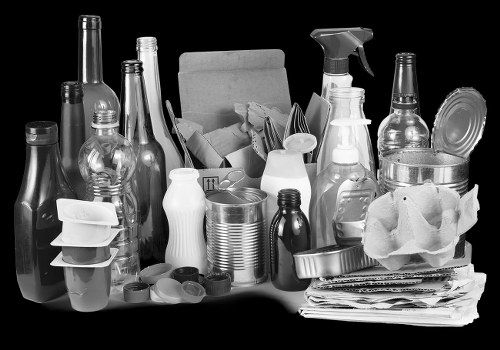
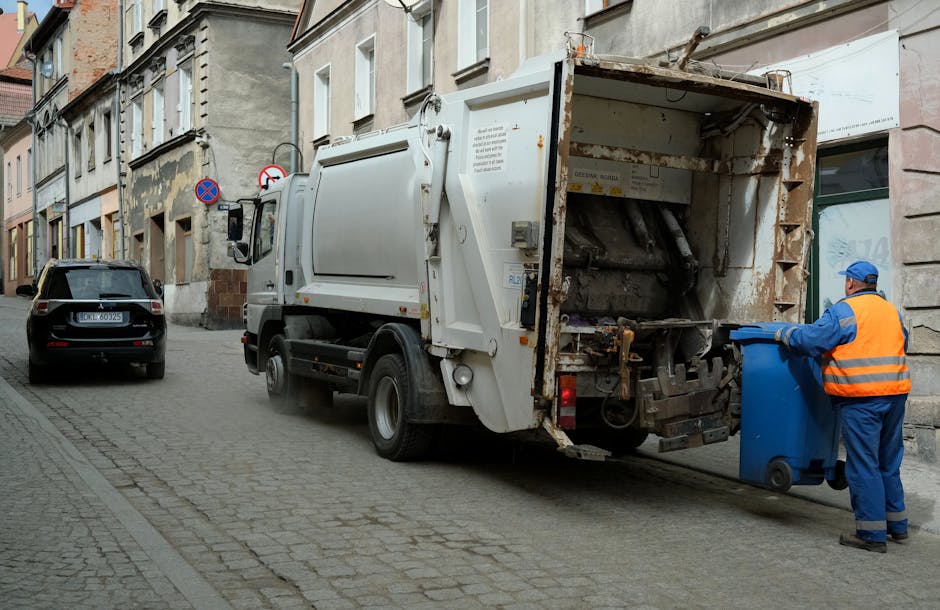
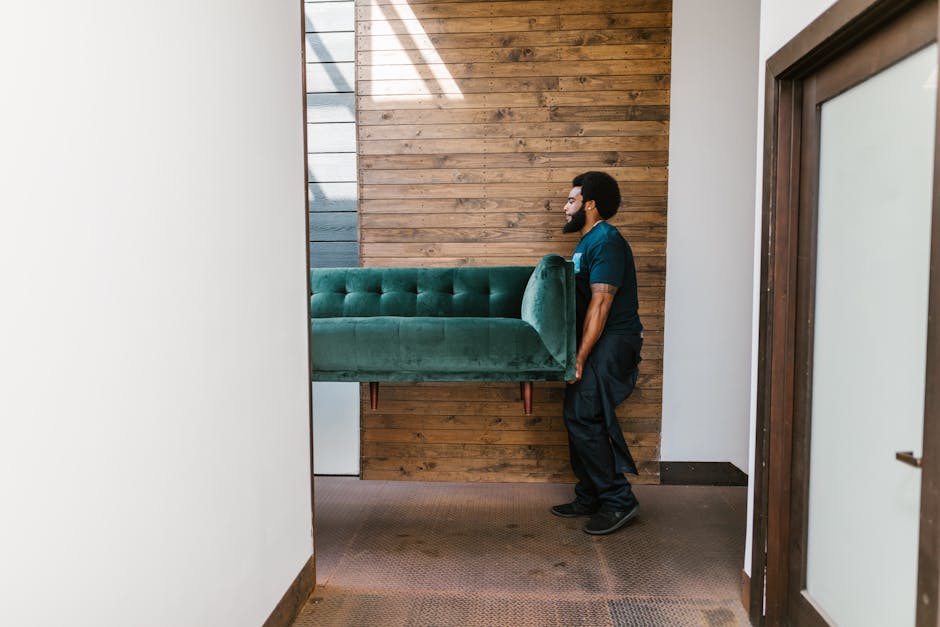
Office Clearance Spitalfields provides a focused commercial clearance service for workplaces that need desks, chairs, storage, archived materials and mixed office contents removed in a tidy, organised way. The main service is designed for businesses that are changing premises, reconfiguring space, or clearing surplus items from rooms that have become difficult to manage. We can support clearances where the priority is to separate reusable items, general waste and items requiring careful handling, while keeping the process straightforward for the client.
Our work covers a broad range of office contents rather than a single item type. That can include loose furnishings, reception furniture, meeting room items, shelving, filing units and everyday office clutter that builds up over time. For many customers, the value lies in having a clear plan for removal so that the space can be handed back, refurbished or returned to day-to-day use without unnecessary disruption. If you need a practical start point, please request a quotation and describe the items to be removed.
Where access is limited or the clearance includes several room types, we plan the work around the available route, the volume of items and any handling requirements that matter to your premises. Careful sorting helps keep the process orderly and allows us to separate items that belong in different disposal streams. For larger clearances, it is often sensible to identify what stays, what goes and what needs to be protected before work begins, so the team can work efficiently once on site.
Office items we remove
The service is built around typical workplace contents, with enough flexibility to deal with mixed rooms rather than only one category of furniture. Many clearances involve a combination of desks, task chairs, meeting tables, cupboards, shelving, pedestals and loose equipment. We also handle smaller items that can slow a clearance down if they are left to the end, such as desk accessories, packaging, conference materials and broken fittings. The aim is to leave the area ready for its next use, not just emptied in a rush.
For a clearer plan, it helps to think in terms of item groups rather than individual objects. Common categories include furniture, paperwork and archive material, small office equipment, fixtures that are no longer needed and general rubbish collected during a relocation or refurbishment. Where there are items with different disposal needs, separating them early can save time later. A concise description of the contents is usually enough to shape the clearance, then we can discuss what approach is most suitable.
We can also support clearances that involve older or mixed furnishings which may not be easy to move in one piece. In those cases, the work often depends on the route from the room to the exit, the weight of the items and whether anything needs to be dismantled before removal. That is one reason many customers prefer a managed service rather than trying to coordinate several separate collections. See pricing and quotes if you want to understand the information usually needed for a quotation.
Planning a smooth clearance

Good planning keeps office clearance efficient and reduces the chance of unwanted items being moved accidentally. It is usually helpful to identify the rooms involved, the approximate quantity of furniture and whether the work must be carried out before, during or after normal business hours. If there are items that should remain in place, make those clear in advance. The same applies to any materials that need special attention because they are fragile, bulky or stored in a way that limits access.
Two practical details often make the biggest difference: access and sorting. Access covers stairs, lifts, loading points and any restrictions on entry to the premises. Sorting covers what is to be cleared, what is to stay, and whether there are items that can be separated into different groups before removal starts. If you can provide a simple description of the office layout and the kind of contents involved, it becomes easier to arrange a sensible plan. Contact us to discuss your clearance when you are ready.
A well-organised clearance also helps when the work sits alongside relocation or refurbishment tasks. If rooms are being emptied in stages, it may be best to clear one area at a time so desks, storage and leftover contents do not become mixed together. This approach can be useful when only part of a suite is being changed, because it lets you keep hold of the items that still have a purpose while removing the rest in a controlled way. That sort of sequencing is often more efficient than dealing with everything at once.
Furniture, storage and desk removal
Many office clearances are driven by furniture changes rather than general rubbish. Desks, chairs, filing cabinets, cupboards and shelves are common items because they take up significant space and are awkward to move without a proper plan. We remove office furniture as part of the broader clearance, with attention to access, lifting and the order in which pieces should come out. Where appropriate, items can be taken apart to make removal more manageable.
Storage units and desk systems often require a slightly different approach from smaller items because they are heavier and more likely to contain contents. Before removal, it makes sense to empty cabinets, drawers and overhead storage so the clearance is safer and faster. We can then deal with the units themselves in an orderly way, while you keep hold of anything that needs to remain with the business. If you are deciding between partial and full clearance, think first about which furniture still supports your day-to-day use.
Some clearances also include reception furniture, breakout seating and meeting room tables that no longer fit the layout. These pieces may be perfectly usable elsewhere, but if they are no longer required they can still become an obstacle in a move or refurb project. Our role is to remove those items cleanly and keep the work focused on the practical finish you need. For further details on related removals, view furniture clearance.
Paperwork, archives and equipment

Office clearance is not only about furniture. Many premises also contain paper records, boxed archive files, old stationery, small electrical equipment and mixed materials that have gathered in cupboards or storage rooms. These items can be straightforward in one sense, but they still need careful handling because they are often spread across different locations and may need separating before removal. A considered clearance helps keep the process orderly and avoids unnecessary backtracking.
Paper records deserve particular attention because they may need to be kept out of general waste streams if they are confidential or simply no longer needed in bulk. The important point is to decide in advance what belongs in the clearance and what should remain under your own control. Old monitors, peripherals and similar items can also be grouped separately so they are not mixed with furniture or routine rubbish. Where the contents are varied, a simple inventory can help shape the job effectively.
Many customers find it useful to combine paper, equipment and storage clearances into one coordinated visit rather than arranging them separately. That reduces duplication and makes the office easier to hand over or reconfigure. If you need to understand how a wider workplace clearance is handled, read about business waste removal for the broader service context. It can help you decide how much should be included in a single clearance plan.
What to prepare before the team arrives
Preparation should stay simple. You do not need to sort every item in detail, but it helps to mark anything that is definitely staying, clear a route to the items being removed and make sure the main access points are usable. If there are objects that need extra care, mention them when you ask for the quotation. That small amount of preparation can keep the work flowing and reduce the chance of confusion once the clearance begins.
It is also sensible to note anything that might affect the order of work, such as loading restrictions, building rules or shared access areas. If the office is part of a larger premises, let us know whether the clearance will pass through common spaces or whether there are designated collection points. These details help shape a practical approach without turning the job into a long planning exercise. Clear instructions are usually more valuable than lengthy descriptions.
For some customers, the best starting point is to group the items by room or by type before the visit. That can be done lightly, without overcomplicating the process, and it makes it easier to confirm the scale of the job. If you prefer to compare options before booking, you can also ask for a written quote once the main contents and access details are clear. The aim is to make the next step easy, not to add unnecessary admin.
About Spitalfields
Spitalfields is an area in east London with a long history shaped by market trading, migration and changing patterns of urban life. It sits close to the City of London and has developed from former fields and ecclesiastical land into a dense inner-city district known for its mix of historic streets, commercial activity and creative uses. The name is commonly associated with the old market tradition, while the area itself now combines office space, housing, retail and food businesses in a compact setting. Its streets reflect different periods of development, from earlier Georgian and Victorian buildings to more recent commercial schemes. The preservation of older fabric is especially visible in and around the market quarter, where narrow lanes and brick frontages give the area a distinctive character. Spitalfields also lies within walking distance of several well-known parts of East London, which adds to its sense of movement and variety. The surrounding transport connections have helped maintain its role as a busy urban district rather than a purely residential neighbourhood. Green spaces are limited compared with outer London, but the area benefits from nearby public routes, courtyards and squares that provide pauses within a heavily built environment. Cultural life has also been an important part of its identity, with galleries, independent shops, food stalls and events contributing to a lively street scene. Over time, Spitalfields has remained notable for its combination of commerce, heritage and adaptation, making it one of the most recognisable parts of inner east London.
Clearance for moves and refurbishments

Office clearance often sits alongside a move, redesign or refurbishment, so timing matters as much as the removal itself. If the space is being vacated, it is usually helpful to work backwards from handover dates and identify which items must go first. If the office is being altered rather than emptied completely, then the clearance can focus on redundant furniture and contents while leaving the active working areas intact. Either way, the work benefits from a clear sequence and a sensible split between what is being retained and what is leaving.
In refurbishment projects, the contents may need to be removed before contractors begin, especially where floor coverings, partitions or decoration will be changed. That can include furniture, stored materials and loose items that would otherwise slow access for other trades. For business moves, the main issue is often separating the items that are being relocated from those that are being disposed of. When those two groups are clear from the start, it is easier to keep the process tidy and avoid accidental disposal of useful stock or office equipment.
Where a project is staged, it can help to treat the clearance as part of the overall transition rather than a separate task. That means thinking about what the room needs to look like when the work is finished, not just what needs to be taken away. If you need another point of reference for broader domestic-style emptying, see the office clearance page for the main service focus on this site and use it as a starting point for the commercial process.
Sorting, recycling and responsible disposal
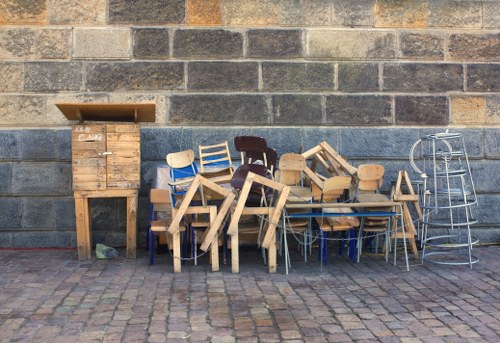
Responsible office clearance depends on good sorting as well as removal. Different materials may need to be separated so they do not all end up in one mixed load. Furniture, paper, small electrical items and general rubbish are often better handled in distinct groups because they have different disposal routes. The more clearly those groups are identified, the more straightforward the clearance becomes. That is why even a brief discussion about the contents can be useful before work begins.
Customers sometimes want reassurance that reusable items are not treated the same as broken or obsolete materials. While every clearance is different, the practical answer is to separate usable contents from items that are no longer fit for the office. That may include furniture that could be passed on, equipment that should be handled carefully and general refuse that simply needs to be removed. Our service can support that process by keeping the clearance orderly and focused on the outcome you need for the space.
If you would like to move forward, send your enquiry here and include a short description of the office contents, access and timing. You can also review our recycling and sustainability information if you want a wider view of how materials are considered within the business. A clear quotation request at this stage usually makes the next step much easier.
Choosing the right scope for your office
Not every clearance needs the same level of work. Some customers only need a single room emptied, while others need multiple floors or a complete site cleared of furniture and remaining contents. The right scope depends on what the office will be used for next and how much needs to be removed in one go. A modest project may only need selective removal, whereas a larger transition usually benefits from a fuller clearance plan.
When deciding on scope, it helps to focus on the practical end point. If the room is to be let, sold, refurbished or reconfigured, ask what condition it needs to be left in and which items are genuinely required to achieve that. In some cases, a clearance will mainly remove redundant desks and cabinets. In others, it will also deal with archive rooms, storage areas and leftover miscellaneous contents. Either way, the work is easier when the desired finish is clear.
Useful points to cover in an enquiry:
- which rooms or floors are involved
- roughly what type of office items need removing
- any access limits, lift use or loading restrictions
- whether the work is tied to a move, refurb or handover
- the preferred timing for the clearance