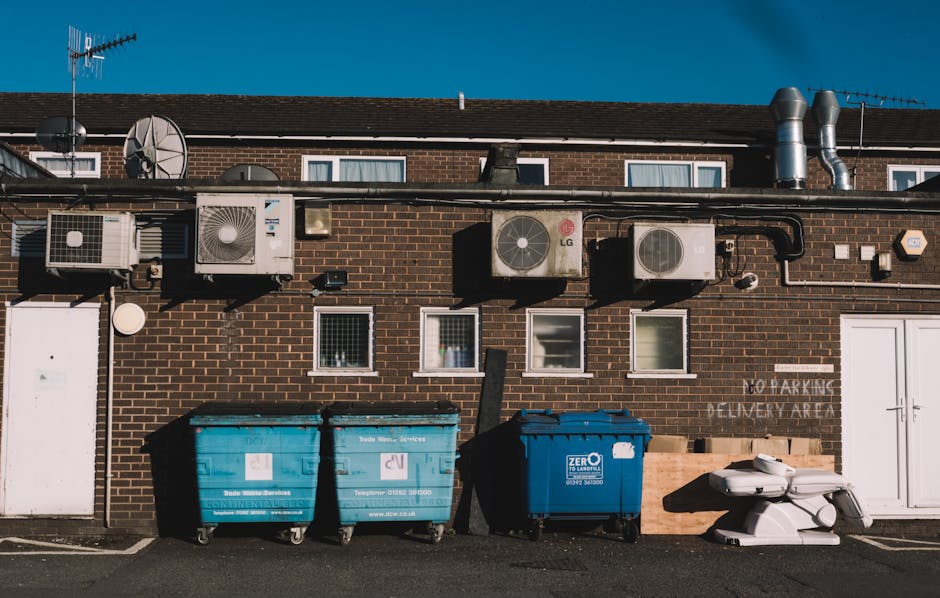
Recycling Drop-Offs in Spitalfields and Fournier St: A Practical Local Guide
If you live, work, or manage a property near Spitalfields and Fournier St, recycling can get a bit awkward. Bags build up, bulky items appear out of nowhere, and suddenly you're trying to work out what can go where, what needs separating, and whether your waste is actually suitable for a drop-off point. This guide to Recycling Drop-Offs in Spitalfields and Fournier St is designed to make that process simpler, safer, and a lot less stressful.
You'll find a clear explanation of how recycling drop-offs work, who they suit, what to prepare, and how to avoid the little mistakes that can cause delays or rejected loads. There's also advice on compliance, practical comparisons, and a realistic checklist you can actually use. No fluff. Just the stuff that helps.
Why Recycling Drop-Offs in Spitalfields and Fournier St Matters
Recycling drop-offs matter because they bridge the gap between having waste on-site and getting it into the right recovery stream. In a dense part of London like Spitalfields, that matters even more. Streets are busy, storage is limited, and nobody wants a hallway, office corner, or back room turning into a temporary waste depot. To be fair, that happens faster than people expect.
The local area brings its own practical challenges. Many homes and businesses here work with tight footprints, shared access, and mixed-use spaces. One day you're clearing packaging from a flat. The next, you're dealing with office furniture, cardboard, and a stack of items that need sorting before they can be removed. Recycling drop-off points, or a managed drop-off approach, can help you keep things moving without letting waste pile up.
There's also a sustainability side to this. Good recycling habits reduce contamination, improve material recovery, and make it easier to direct reusable or recyclable items away from general disposal. If you are trying to do the right thing, this is one of the easiest places to start.
For many local customers, recycling decisions sit alongside wider clearance needs. A business that is moving out may also need office clearance support, while a flat near Fournier Street might also benefit from flat clearance if recycling is only one part of the job. It all connects.
How Recycling Drop-Offs in Spitalfields and Fournier St Works
In plain English, recycling drop-offs are about preparing materials correctly, transporting them safely, and placing them into the right receiving stream. That may mean using a civic amenity site, a private collection and drop-off arrangement, or a waste contractor that sorts and channels recyclable materials on your behalf.
The process usually starts with separation. Cardboard goes one way, clean metals another, electrical items need extra care, and any contaminated material may have to be diverted into general waste. If something is mixed, damp, greasy, or damaged beyond recovery, it can lose recycling value quickly. That's why the prep stage matters just as much as the drop-off itself.
In practice, the most efficient drop-offs happen when materials are grouped by type before anyone leaves the building. A bag of mixed rubbish and a box of clean cardboard are not the same thing. Same van, different destination. That distinction saves time, reduces the chance of rejection, and usually keeps the whole job smoother.
For some customers, a drop-off is simply one step in a larger waste plan. That may be linked to general waste removal for non-recyclables, or a specific service like furniture disposal where reusable items need careful handling. The point is not just "getting rid of it"; it's getting it into the right route.
A quick real-world note: if you've ever stood in a hallway at 7:30 in the morning, looking at a collapsed shelf, three black bags, and a box of cables, you already know why planning helps. Nobody enjoys a last-minute scramble.
Key Benefits and Practical Advantages
There are a few strong reasons people choose recycling drop-offs rather than leaving everything to chance. Some are obvious, others only become obvious after you've done it the hard way once or twice.
- Less clutter: Materials move out of the property faster, which matters in small homes, shared entrances, and busy workplaces.
- Better sorting: Pre-separated waste is easier to recycle and less likely to be rejected.
- Cleaner compliance: When handled correctly, recycling supports better waste duty practices and helps avoid sloppy disposal habits.
- More space to work: A clearer room or loading area makes moving, cleaning, or refurbishing much easier.
- Lower stress: Once the materials are labelled and ready, the rest tends to feel more manageable.
- Potentially better value: Well-sorted recyclable material can sometimes be handled more efficiently than mixed loads, depending on the service.
There's also a trust element here. If you are dealing with a provider, you want a service that treats recycling as a proper process rather than a vague promise. Good operators talk clearly about sorting, handling, and where materials go. That transparency matters. It's one reason many readers also look at a company's recycling and sustainability approach before booking anything.
For businesses especially, recycling drop-offs can support a more organised fit-out or relocation. Combine that with services like business waste removal and you've got a much tidier process than trying to manage scraps, packaging, and old fittings in piecemeal fashion.
Who This Is For and When It Makes Sense
This is not just for one type of customer. In fact, the people who benefit most are often the ones juggling a few different waste streams at once.
Homeowners and tenants often need drop-offs after a clear-out, small renovation, or furniture change. A set of shelves, old small appliances, cardboard boxes, and bagged recyclables can accumulate quickly. In a compact London property, it only takes a weekend and suddenly the spare room looks like a storage unit.
Landlords and letting agents may need a fast turnaround between tenancies. Recycling drop-offs are useful where packaging, small furnishings, and household clutter need separating before a property is re-let. In those cases, a broader home clearance or house clearance may be the smarter route.
Offices and small businesses often need to dispose of cardboard, packaging, obsolete equipment, and old furniture. That is where planning matters most. If the waste is mostly non-hazardous and well-sorted, recycling drop-offs can be neat and efficient. If it is a full relocation, an office clearance may fit better.
Tradespeople and refurb teams may need to move timber offcuts, packaging, or old fixtures. If the job includes renovation debris, a more specialised route such as builders waste clearance is often the right fit.
When does it make sense? Usually when waste is manageable in volume, can be sorted in advance, and you want control over what happens next. If the material is bulky, mixed, or time-sensitive, getting help early can save you a headache later.
Step-by-Step Guidance
If you want the process to run smoothly, it helps to treat it as a sequence rather than a single task. The better the prep, the easier the drop-off. Simple as that.
- Identify your waste types. Separate cardboard, paper, plastics, metals, glass, textiles, electricals, furniture, and general rubbish into their own groups where possible.
- Check for contamination. Food residue, paint, damp packaging, or mixed rubbish can make recycling harder. Clean items are much more likely to be accepted.
- Break items down where safe. Flatten boxes, dismantle large cardboard pieces, and reduce bulky volume if you can do so without risk.
- Protect sharp or fragile items. Bag broken glass carefully, secure loose wires, and tape up hazardous edges.
- Confirm access and transport. Make sure you have the right vehicle, lifting help, and parking plan. In central areas, access can be the real bottleneck.
- Choose the right route. A simple drop-off may suit lightweight recycling. Larger mixed loads might be better handled through a managed clearance or collection service.
- Keep proof and notes. For business waste, records matter. Even for domestic jobs, knowing what was removed can help if you are doing repeated clear-outs.
A practical example: if you are clearing an office near Spitalfields Market, you might separate cardboard, old chairs, monitors, cables, and confidential materials before anything moves. That makes it easier to send the right items to the right place. It also saves that awkward moment where everyone is standing around wondering which box is which. Happens all the time.
Expert Tips for Better Results
Here's the bit that often gets missed: good recycling is mostly about habits, not heroic effort.
Tip 1: Sort before the day of transport. Waiting until the van is outside or the lift is booked is where mistakes creep in. Pre-sorting on-site gives you time to spot contamination and reduce volume.
Tip 2: Keep recyclable and reusable items separate. A sturdy table or chair may not need recycling at all. It might be suitable for reuse or a specialist furniture route. The same logic applies to items handled through furniture clearance.
Tip 3: Be realistic about time. A small bag of recycling is one thing. A mixed flat clearance is another. If you underestimate the job, the whole thing becomes a bit of a faff.
Tip 4: Ask about handling standards. If a provider is helping with the drop-off side, ask how they separate loads, what they do with reusable material, and how they manage safety. A reputable service should answer in normal language, without dodging the question.
Tip 5: Keep access in mind. Narrow stairwells, loading restrictions, and shared entrances can slow everything down. In Spitalfields, that's not unusual. It just means planning matters more.
Tip 6: Think beyond one load. If you know more waste is coming soon - after a move, refit, or garden tidy - it may be better to schedule a broader service such as garage clearance, loft clearance, or even garden clearance rather than piecing it together over several weekends.
Expert summary: The best recycling drop-offs are never the most dramatic ones. They are the ones where materials are sorted early, access is planned, and everyone knows what's being moved before the first lift door opens.
Common Mistakes to Avoid
Most recycling problems are avoidable. The tricky part is that they often look small until they cost you time, money, or a rejected load.
- Putting everything into one bag. Mixed waste is harder to recycle and more likely to be sent elsewhere.
- Forgetting contamination. One greasy food box can affect a whole batch of cardboard.
- Ignoring bulky items. A broken wardrobe or desk is not "just one item" once it is down the stairs.
- Underestimating access problems. No lift, no parking, no easy turn-in point - these are common issues in central London.
- Leaving it too late. Waste builds faster than people think, especially during moves or refurbishments.
- Assuming every item is recyclable. Some items need special handling or a different route entirely.
One more thing: don't guess if you are unsure about a material. Ask. That's not a sign of inexperience; it's just common sense. And common sense saves a lot of mess.
Tools, Resources and Recommendations
You do not need fancy equipment to handle recycling well, but a few basic tools make a surprisingly big difference.
- Heavy-duty bags and boxes: Useful for separating smaller recyclables and keeping sharp items contained.
- Tape, markers, and labels: A pen and a few labels can stop a lot of confusion later.
- Gloves: Helpful for sorting mixed materials, moving broken items, or handling dusty storage waste.
- Moving trolleys or sack trucks: Handy where access is awkward or there are stairs.
- Dust sheets or covers: Useful if items are being staged indoors before removal.
On the service side, it helps to choose a provider that explains pricing clearly. Before booking, many people check pricing and quotes so they understand how the job is estimated and what affects the final cost. That way, there are fewer surprises. Nobody likes surprise charges. Nobody.
For reassurance around operational standards, you may also want to review pages covering health and safety policy and insurance and safety. These are the kinds of details that matter when items are being moved through tight hallways or shared buildings.
Law, Compliance, Standards, or Best Practice
Waste and recycling in the UK sit within a broader duty of care framework, which means waste should be managed responsibly and passed to appropriate carriers or facilities. That does not mean every domestic drop-off needs a legal lecture attached to it. But it does mean you should be careful about who handles your waste and where it goes.
For businesses, compliance matters even more. Records, segregation, and secure handling are all part of good practice. If you are disposing of office items, electronics, or mixed commercial waste, use a provider that treats the chain of custody seriously. A business that seems casual about paperwork is usually casual about everything else too.
For households, the main best practice is simple: sort waste properly, avoid contamination, and use reputable services when items are too bulky or awkward for normal collection. Reuse should be considered before recycling where appropriate, and recycling should be considered before disposal where practical.
It is also worth reading a company's broader policies if you want to understand how they operate. Pages like terms and conditions, privacy policy, and accessibility statement can tell you quite a lot about whether a business is structured, transparent, and easy to deal with. Small detail, maybe. But it says a lot.
Options, Methods, or Comparison Table
Different situations call for different approaches. Here's a simple comparison to help you decide what makes sense.
| Option | Best for | Strengths | Limitations |
|---|---|---|---|
| Self-managed recycling drop-off | Small, sorted loads | Flexible, straightforward, good for lightweight materials | Requires time, transport, and careful sorting |
| Scheduled waste collection | Busy households and offices | Convenient, less lifting, better for larger loads | May cost more depending on volume and item type |
| Full clearance service | Moves, refurbishments, cluttered spaces | Handles mixed items, saves time, reduces stress | May be more than you need for a small job |
| Specialist item disposal | Furniture, builders waste, loft or garage contents | Better for awkward, bulky, or category-specific items | Requires correct service selection |
For many people near Fournier Street, the best choice is a hybrid one. Recycle the easy stuff yourself, and bring in support for the heavier or awkward bits. That balance is usually the sweet spot.
Case Study or Real-World Example
A small design studio close to Spitalfields had a familiar problem: cardboard everywhere, a few outdated desk units, packing foam, and a growing pile of mixed office waste after a short refurbishment. Nothing dramatic, just enough to make the space feel cramped and unfinished.
They started by separating clean cardboard, reusable furniture, and the remainder of the waste. The chairs and desks that were still serviceable were set aside for a furniture route rather than lumped in with general rubbish. Cardboard was flattened. Loose cables were tied. Old packaging was checked for contamination. The team booked a clearance slot for the bulky items and arranged the rest as a managed recycling drop-off.
The result was not glamorous, let's face it, but it worked. The office got its floor space back, the refurb team could move more easily, and the business avoided the usual end-of-project mess that tends to linger for days if nobody takes ownership. A small job on paper, perhaps. In the real world, though, it made the place feel usable again.
That same approach works for homes too. A flat clear-out, a loft tidy, or a garage reset often becomes much easier once the recyclable items are separated from the rest. If you can keep the process orderly at the start, the whole thing gets lighter.
Practical Checklist
Use this before arranging any recycling drop-off or clearance in the Spitalfields and Fournier Street area.
- Have I identified every waste type correctly?
- Are recyclable items clean and free from food or liquid contamination?
- Have I separated reusable items from recycling and general waste?
- Are bulky items broken down safely where possible?
- Do I know what needs special handling, such as electronics or damaged furniture?
- Is access to the property, lift, or loading area clear?
- Do I need a van, collection support, or a full clearance service instead?
- Have I checked the provider's pricing, safety, and terms?
- Have I planned for any leftover waste that cannot be recycled?
- Am I confident the job is realistic for the time available?
That last one matters more than people think. If the answer is "not really", it probably means you need more than a simple drop-off.
Conclusion
Recycling drop-offs in this part of London work best when they are treated as part of a wider plan, not a last-minute dash. Spitalfields and Fournier Street are busy, compact, and often short on space, so the winning formula is simple: sort early, move safely, and choose the right route for each material.
Whether you are clearing a flat, reworking an office, or just trying to stop cardboard from taking over the hallway, the same principles apply. Keep recyclable materials clean, separate, and easy to handle. Ask questions when something is unclear. And do not be afraid to use a more complete service when the job calls for it. Sometimes that is the sensible choice.
If you want help planning a cleaner, easier removal process, start by reviewing the service options and checking how they fit your situation. A little preparation now can save a lot of hassle later, honestly.
Get a free quote today and see how much you can save.
And if you do it properly, the whole space feels lighter afterwards. A bit calmer too. That's usually the real win.
Frequently Asked Questions
What are recycling drop-offs in Spitalfields and Fournier St?
They are places or service arrangements where recyclable materials are separated, transported, and delivered into the correct recycling stream. In practice, that can mean using a local facility, a collection-plus-drop-off service, or a clearance provider that manages sorting for you.
What can usually be taken to a recycling drop-off?
Common recyclable items include cardboard, paper, certain plastics, glass, metals, textiles, and some electrical items. The exact acceptance rules vary by facility or provider, so it is always worth checking before you travel.
Do I need to clean items before recycling them?
Usually, yes, if practical. Food residue, liquid, or heavy contamination can reduce recyclability. You do not need to make everything perfect, but clean and dry materials are far more likely to be accepted.
Is a recycling drop-off better than a general waste collection?
If your materials are mostly recyclable and already sorted, a drop-off is often the better choice. If the load is mixed, bulky, or difficult to move, a waste collection or full clearance service may be more sensible.
What should I do with old furniture near Fournier Street?
If it is reusable, consider a furniture-focused route. If it is damaged or no longer usable, a specialist furniture disposal or furniture clearance service is usually more appropriate than trying to treat it like everyday recycling.
How do I know if I need office clearance instead of recycling drop-off?
If you have desks, chairs, packaging, electronics, mixed paper, and general waste all together, office clearance is often the easier option. It handles the whole picture instead of asking you to split everything into separate journeys.
Are recycling drop-offs suitable for builders waste?
Sometimes, but not always. Builders waste often includes heavier or mixed materials that need a more specific route. If your project has rubble, timber offcuts, plasterboard, or mixed renovation debris, a dedicated builders waste clearance service is usually a better fit.
What are the main mistakes people make with recycling drop-offs?
The biggest mistakes are mixing materials, leaving contamination in the load, underestimating bulky items, and forgetting about access or transport. Those small issues are what usually create the bigger delays.
How can I make recycling easier in a busy flat or office?
Start by keeping separate bags or boxes for each material, label them clearly, and deal with items as soon as they appear. A little routine makes a huge difference in tight spaces, especially in a busy London property.
Should I check a company's policies before booking?
Yes. It helps to review pricing, safety, terms, and company information so you understand how the service works. Transparency is usually a good sign, and it gives you more confidence before anything is booked.
What if I am not sure whether something is recyclable?
Do not guess if you can avoid it. Check the material type, ask the provider, or treat it separately until you know. A cautious approach is better than contaminating an entire load.
Can recycling drop-offs help with a larger home clear-out?
Absolutely. They work well for the recyclable portion of a bigger project, especially when paired with services like home clearance, house clearance, loft clearance, or garage clearance for everything else that needs moving out.