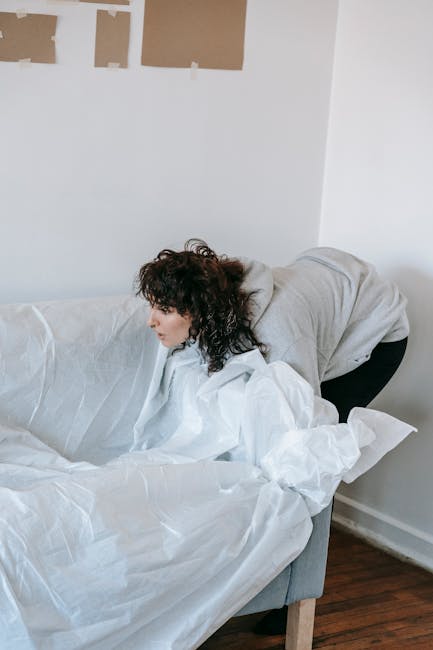
Sofa and Mattress Removal in E1: Access & Costs
If you are trying to clear a bulky sofa or an old mattress from a flat, shop, or office in E1, the job can feel more awkward than it sounds. Stairs are narrow, hallways are tight, and loading access in parts of East London is rarely generous. Add in disposal costs, timing, and the question of whether the item can be reused or needs special handling, and suddenly a simple removal turns into a small project.
This guide to Sofa and Mattress Removal in E1: Access & Costs breaks down the practical side of the job in plain English. You will learn what affects access, how pricing is usually worked out, what to prepare before the crew arrives, and how to avoid the common mistakes that lead to delays or surprise charges. If you want a smoother experience, a little planning goes a long way.
For broader company information and service standards, you can also review the about us page, along with the pricing and quotes guidance and the recycling and sustainability approach.
Table of Contents
- Why Sofa and Mattress Removal in E1: Access & Costs Matters
- How Sofa and Mattress Removal in E1: Access & Costs Works
- Key Benefits and Practical Advantages
- Who This Is For and When It Makes Sense
- Step-by-Step Guidance
- Expert Tips for Better Results
- Common Mistakes to Avoid
- Tools, Resources and Recommendations
- Law, Compliance, Standards, or Best Practice
- Options, Methods, or Comparison Table
- Case Study or Real-World Example
- Practical Checklist
- Conclusion
- Frequently Asked Questions
Why Sofa and Mattress Removal in E1: Access & Costs Matters
In E1, access is often the thing that changes a straightforward removal into a more careful, more expensive, or more time-sensitive job. A two-seater sofa might fit easily in a house with a side passage. The same sofa can become a headache in a top-floor conversion with a tight stairwell, shared entrance, and no lift. Same item, very different job.
The same applies to mattresses. They are light enough to lift, but awkward enough to snag on bannisters, door frames, and corners. You know the sort of thing: it looks easy until you are halfway down a narrow stairwell and the mattress decides to fight back. Truth be told, that happens more often than people expect.
Why does this matter? Because access affects labour time, manpower, vehicle loading, and in some cases whether an item can be removed in one piece or needs to be dismantled first. Costs are usually linked to those details, not just the item itself. If you understand the access side early, you are much more likely to get a realistic quote and avoid awkward last-minute add-ons.
It also matters for safety. Poor planning can mean scratches on walls, damaged communal areas, delays for neighbours, or a lifting injury that nobody wanted. A careful removal is not just tidier; it is calmer and safer.
How Sofa and Mattress Removal in E1: Access & Costs Works
Most sofa and mattress removals follow a similar pattern. First, the company or crew needs a clear picture of what is being removed, where it is located, and how they will get it out. That sounds obvious, but in practice, a few extra details make all the difference.
Typically, the process starts with a description or quote request. You may be asked about the item type, approximate size, floor level, lift access, parking restrictions, and whether there are any awkward turns, shared corridors, or narrow doorways. In E1, access information is especially useful because parking and stopping points can be tight, and some buildings have tricky entry arrangements.
Once the removal is scheduled, the crew normally checks the route, lifts the item out, loads it safely, and makes sure it is handled in line with disposal or reuse plans. If the sofa or mattress can be passed on for reuse, that may be arranged separately. If not, it will need responsible disposal through the right route. The exact handling depends on condition and local arrangements, but a good provider will explain the options clearly.
Pricing is usually based on a mix of:
- the type and number of items
- access difficulty
- distance from the pickup point to the vehicle
- time required to move items safely
- any special handling needed for large or heavy pieces
That is why a small sofa in a ground-floor office can cost very differently from the same sofa on the fourth floor of a period building with a narrow staircase. The item is only half the story.
If you are comparing quotes, it helps to check whether the price includes loading, lifting, disposal handling, and any waiting time. A clear quote is worth more than a cheap one that balloons later. The pricing and quotes page is a useful place to understand how estimates are usually presented.
Key Benefits and Practical Advantages
There is a good reason many people choose a professional removal instead of trying to wrestle a sofa or mattress out themselves. Quite a few reasons, actually.
- Less hassle: You avoid the stress of measuring doorways, borrowing a van, and finding help at the last minute.
- Better handling: Large items are lifted with more care, which reduces the risk of damage to walls, floors, and the item itself.
- Time saved: A crew that knows the local streets and access quirks will usually work faster than a DIY attempt.
- Safer moving: Mattresses and sofas are awkward more than they are heavy. Awkward is enough to cause problems.
- Clearer disposal path: You are less likely to get stuck wondering where the item can go next.
There is also a mental benefit that people sometimes overlook. Once the old sofa is gone, a room can feel bigger, brighter, and less cluttered almost instantly. You notice the difference on a grey afternoon when the corner suddenly opens up. Small thing, maybe. But very satisfying.
Another practical advantage is that a proper service can adapt to your schedule. If you need the removal before a new delivery, after a tenancy ends, or ahead of a refurbishment, timing matters. Good planning helps you avoid a pile-up of furniture in the hallway, which is never a lovely look.
Who This Is For and When It Makes Sense
This kind of removal is useful for a wide range of people and situations in E1. It is not only for landlords or offices. In fact, some of the most common requests come from everyday domestic jobs that just happen to be awkward.
- Homeowners and tenants: Replacing a worn sofa, removing a mattress after a move, or clearing a spare room.
- Landlords and letting agents: Preparing a property between tenancies or removing abandoned bulky items.
- Offices and small businesses: Clearing reception seating, breakout furniture, or old storage mattresses from sleeping accommodation.
- Renovators: Making space before works start so contractors are not working around large furniture.
- People downsizing: Reducing clutter and removing items that no longer fit the new space.
It makes sense when the item is too big for standard waste collection, when you do not have the vehicle or lifting help to move it, or when access is too awkward for a simple DIY job. If you are already asking yourself, "Can I really shift that down these stairs safely?" the answer is probably no, not alone.
It also makes sense when time is tight. A sofa or mattress removal can often be handled in a relatively short appointment if the access is clear. That is very helpful when you are juggling a delivery window or trying to hand back keys.
Step-by-Step Guidance
A smooth removal usually follows a fairly simple sequence. The trick is to get the details right before anyone turns up with gloves on and a van idling outside.
- Identify the items clearly. Note whether it is a sofa bed, corner sofa, ottoman-style bed, or standard mattress. These details affect handling.
- Measure the access points. Check the width of doors, stair turns, hallways, and any lift. If the item was delivered in sections, that is useful to mention too.
- Explain the building layout. Ground floor, basement, top floor, shared entrance, secured entry, rear access, loading bay, or permit-only street all matter.
- Ask about timing. Early mornings, peak traffic hours, and narrow collection windows can all affect the job.
- Get a quote with access details included. A price based only on the item name can be misleading.
- Clear the route in advance. Move shoes, small tables, bins, and anything fragile out of the way.
- Protect shared spaces if needed. In some buildings, a bit of advance notice to neighbours or building management helps.
- Confirm disposal or reuse handling. If the item is in decent condition, ask whether it can be diverted for reuse. If not, confirm the disposal route.
One useful rule: the fewer surprises on the day, the better the price tends to behave. That is the simple version. Measure twice, lift once, as the old saying almost goes.
If you are unsure how to frame your quote request, use the company's contact us page to give a clear description of the item and the access conditions. A decent provider will usually ask follow-up questions rather than guessing.
Expert Tips for Better Results
From a practical point of view, the best removals are the ones where the crew can move directly and safely without stopping to solve avoidable problems. Here are a few things that make that much more likely.
- Take one photo of the item and one photo of the route. A picture of the hallway, staircase, or loading point can reveal problems that words miss.
- Be honest about access. If the sofa only got upstairs by being rotated and pushed at a funny angle, say so. That detail matters.
- Check the parking situation. In E1, parking can be the hidden bottleneck. A short walk from the van can add time and labour.
- Leave enough room to work. A cluttered corridor slows everything down, and no one wants that awkward shuffle where everyone keeps saying "sorry" every ten seconds.
- Ask what happens if the item is too large for the route. Better to know beforehand than discover it with the item halfway through the doorway.
There is also a timing tip that people often miss: if you need a mattress or sofa removed before a delivery or tenancy deadline, book earlier than you think you need to. Schedules can compress fast, especially at the end of the month.
And one more thing. If a provider talks only about the item and never asks about access, that is a little red flag. Not huge, but noticeable. Access is half the job in this part of London.
Common Mistakes to Avoid
A lot of hassle comes from very ordinary mistakes. Nothing dramatic. Just small oversights that snowball.
- Underestimating access difficulty: A narrow stairwell can turn a 15-minute collection into a much longer lift.
- Not checking floor level: "Just one flight" is not the same as "ground floor with step-free access."
- Forgetting parking restrictions: If the vehicle cannot stop nearby, the removal may take longer than expected.
- Leaving loose parts attached: Sofa feet, arms, or bed frames may need separating first.
- Assuming every mattress is the same: Size, condition, and access route can alter the handling quite a bit.
- Choosing on price alone: The cheapest quote is not always the cheapest job once extras appear.
Another mistake? Leaving the item wedged in a room because "we will deal with it later." Later has a habit of being more stressful. If the removal is needed, handle it while there is still space and a bit of daylight. Sounds obvious, but it saves a lot of grief.
Tools, Resources and Recommendations
You do not need a toolkit the size of a hardware shop, but a few simple things make the process cleaner and safer.
- Measuring tape: Useful for checking door widths, stair turns, and lift dimensions.
- Phone camera: Photos help explain access far better than guesswork.
- Basic gloves: Helpful if you are moving small items before the crew arrives.
- Furniture blankets or covers: Worth using if a sofa must pass close to walls or through a tight corridor.
- Bin bags or boxes: Good for clearing small loose items from the route.
On the service side, it helps to review practical information before booking. The health and safety policy gives a sense of how careful handling is approached, while the insurance and safety page is useful if you want extra reassurance about risk management and responsibility.
If sustainability matters to you, the recycling and sustainability page is worth a look. Not every item can be reused, of course, but knowing there is a responsible disposal route can make the decision easier.
Law, Compliance, Standards, or Best Practice
Furniture removal touches practical compliance points, even if the job itself looks simple on the surface. The main things to keep in mind are safe handling, responsible disposal, and honest representation of the service being offered. If a sofa or mattress cannot be reused, it should be dealt with through an appropriate waste route rather than left for guesswork.
Best practice in this area is straightforward: communicate clearly, lift safely, protect property, and make sure the item is handled responsibly after collection. That includes avoiding damage in shared spaces, respecting building rules, and keeping the client informed if access issues change the plan on the day.
For customers, it is sensible to check the provider's terms before booking. The terms and conditions page can clarify service expectations, while the payment and security page is useful if you want to understand how payments are managed. If privacy concerns matter, the privacy policy explains how personal details are handled.
To be fair, most customers are not trying to audit the whole process. They just want to know: will this be done safely, fairly, and without surprises? That is the right question.
Options, Methods, or Comparison Table
There is more than one way to remove a sofa or mattress, and the right choice depends on access, urgency, and how much lifting you want to do yourself.
| Method | Best for | Pros | Watch-outs |
|---|---|---|---|
| DIY removal | Ground-floor items, easy access, small budget | Can be cheap if you already have transport and help | Heavy lifting, parking hassle, risk of damage, disposal uncertainty |
| Man-and-van style collection | Single or small numbers of bulky items | Flexible, quicker than self-managed disposal, less stress | Needs accurate access details to avoid delays or extras |
| Full removal service | Multiple items, awkward access, time-sensitive jobs | More support, safer handling, better for tight stairwells or difficult routes | Often priced higher, especially if access is restricted |
For many E1 properties, the middle option is the sweet spot. It keeps things manageable without requiring you to organise a van, helpers, and a disposal plan all by yourself. But if the building access is especially awkward, a fuller service can be worth the extra cost. Less drama. Less lifting. Less cursing under your breath on the stairs.
Case Study or Real-World Example
Imagine a one-bedroom flat near a busy E1 street, with a sofa in the living room and an old mattress in the bedroom. The flat is on the third floor, the staircase is narrow, and the lift is too small for the sofa. The resident needs both items gone before a new bed and sofa arrive two days later.
At first glance, this sounds like a quick collection. But once access is checked, the job becomes more specific. The crew needs enough time to angle the sofa through a tight turn, and the route must be clear of a coat stand, side table, and shoe rack. The mattress is easier, but still has to come down without snagging on the bannister.
The resident sends photos in advance, including the entrance and staircase. That saves time and helps the quote reflect the real work involved. Parking is planned so the vehicle can stop as close as possible. On the day, the crew gets in, lifts both items carefully, and clears the space without any damage to the walls. Job done. Not glamorous, but a big relief.
This is exactly why access details matter. The more accurate the information, the more accurate the price and timing tend to be. Simple enough, but powerful.
Practical Checklist
Use this checklist before booking a sofa or mattress removal in E1. It saves time and avoids those last-minute "oh, I forgot to mention..." moments.
- Confirm the exact item type and size
- Check which floor it is on
- Measure doorways, stair turns, and lift size if needed
- Note any narrow hallways, low ceilings, or awkward corners
- Identify parking or loading restrictions
- Take photos of the item and access route
- Clear the path from the item to the exit
- Decide whether the item is for reuse or disposal
- Ask what the quoted price includes
- Check terms, payment, and safety information
For extra confidence, it can help to review the company's accessibility statement and complaints procedure. Those pages are not the glamorous part of booking, but they do show how customer issues and access considerations are handled.
Conclusion
Sofa and mattress removal in E1 is rarely difficult because of the item alone. More often, it is access, timing, and planning that decide how smooth the job will be. A narrow staircase, a tight parking spot, or a bulky sofa bed can all change the shape of the job and the final cost.
If you take away one thing, let it be this: give accurate access details from the start. That single step improves pricing, reduces delays, and makes the whole process feel far less chaotic. And in a busy part of London, a calmer job is a better job.
Get a free quote today and see how much you can save.
When the old sofa is finally out and the room breathes again, it is a small win, but a proper one. The space feels lighter. So do you.
Frequently Asked Questions
How much does sofa and mattress removal in E1 usually cost?
Costs depend on the item type, floor level, parking access, and how far the item needs to be carried. A ground-floor collection with easy access will usually cost less than a third-floor lift through a narrow stairwell.
What makes access more expensive in E1?
Common cost drivers include stairs, no lift, tight hallways, restricted parking, long carry distances, and time-sensitive booking windows. In E1, street access can be a bigger factor than people expect.
Can a sofa bed or corner sofa cost more to remove?
Yes. Sofa beds, large corner units, and modular pieces often take more time to move and may need dismantling or extra handling. They are not impossible, just more involved.
Do mattresses need special disposal?
Mattresses often need careful handling because they are bulky and awkward to transport. Depending on condition and local arrangements, they may be reused, diverted, or disposed of through the appropriate route.
Can I leave the sofa in the hallway for collection?
Sometimes, but it is better to confirm in advance. Shared hallways and common areas can create access and safety issues, especially in flats or managed buildings.
How do I get a more accurate quote?
Give the exact item type, floor level, access route, parking situation, and any tricky corners or stairs. Photos help too. A quote based on real access information is usually much more reliable.
What if the item does not fit through the door?
A good provider should assess whether the sofa can be angled, partially dismantled, or removed another way. If not, they should explain the issue clearly rather than forcing the job.
Is same-day removal possible in E1?
Sometimes it is, depending on availability and how clear the access details are. If the job is urgent, it helps to contact the provider as early as possible.
Will the crew take the items from upstairs?
Usually yes, but the price and timing may reflect the extra work involved. Upper-floor removals are common in E1, so the key is to describe the stairs and route accurately.
What should I do before the removal team arrives?
Clear the route, remove loose items, check parking access, and keep the item easy to reach. If possible, measure doorways and take photos so there are no surprises on the day.
Can I ask about recycling or reuse?
Yes. It is sensible to ask whether the sofa or mattress can be reused or handled in a more sustainable way. The service provider should be able to explain the available options.
Where can I find company policies and service details?
You can review the company's terms and conditions, payment and security information, and the privacy policy for a clearer picture of how bookings and customer data are handled.